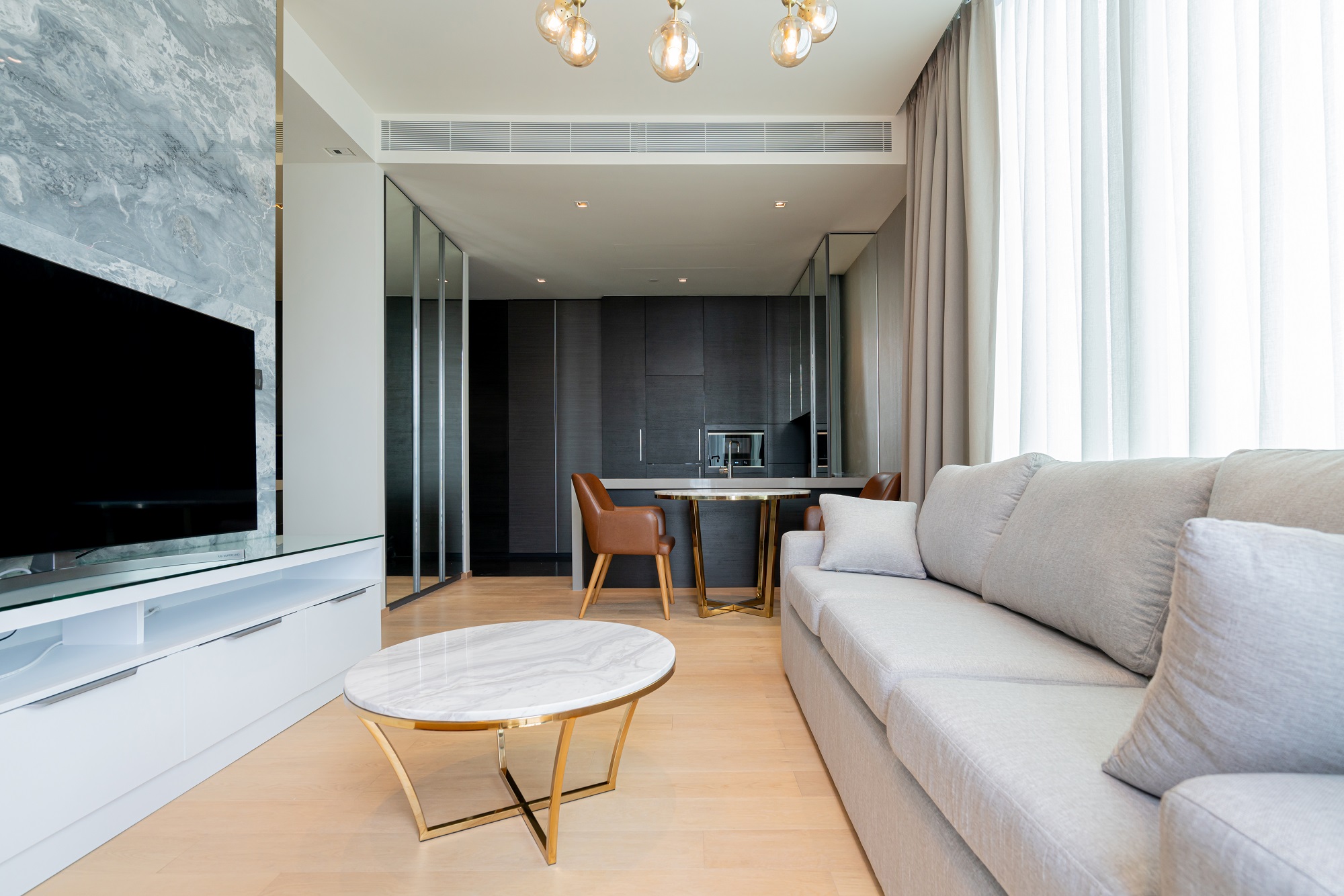
The Future of Smaller Living Spaces in Urban Markets
Urban minimalism is an evolving lifestyle trend that emphasizes simplicity, functionality, and sustainability within the confines of smaller living spaces. As cities expand and housing prices rise, many individuals and families are opting to downsize their living arrangements, focusing on quality over quantity. Embracing urban minimalism involves decluttering your life, optimizing the use of available space, and prioritizing essential items that bring joy and efficiency to your daily routine.
Smaller living spaces challenge traditional notions of what a home should be. By reducing the size of your living area, you are compelled to reassess what possessions are truly necessary. This intentional approach to living fosters an environment where each item has a purpose and contributes to the overall harmony and functionality of your home. Even real estate agents often note that well-designed compact homes can feel more functional and appealing than larger, cluttered spaces. Rather than feeling confined, smaller spaces can offer freedom from the excess and a renewed sense of clarity.
The concept of urban minimalism also extends beyond the physical space. It encourages a mindset shift towards valuing experiences over material possessions. This lifestyle choice often leads to a more fulfilling life, as it allows you to focus on activities and relationships that genuinely matter. By embracing minimalism, you can create a balanced life that fosters contentment and personal growth.
The Rise of Minimalism in Urban Environments
In recent years, minimalism has gained significant traction in urban settings. This shift can be attributed to several factors, including the increasing cost of real estate, a growing awareness of environmental issues, and a desire for a more sustainable lifestyle. As cities become more densely populated, the need to maximize space and resources has become paramount. This trend is also evident in markets for property in Islamabad, where efficient and thoughtfully designed homes continue to attract buyers. Urban minimalism offers a practical solution by promoting efficient use of space and encouraging individuals to live with less.
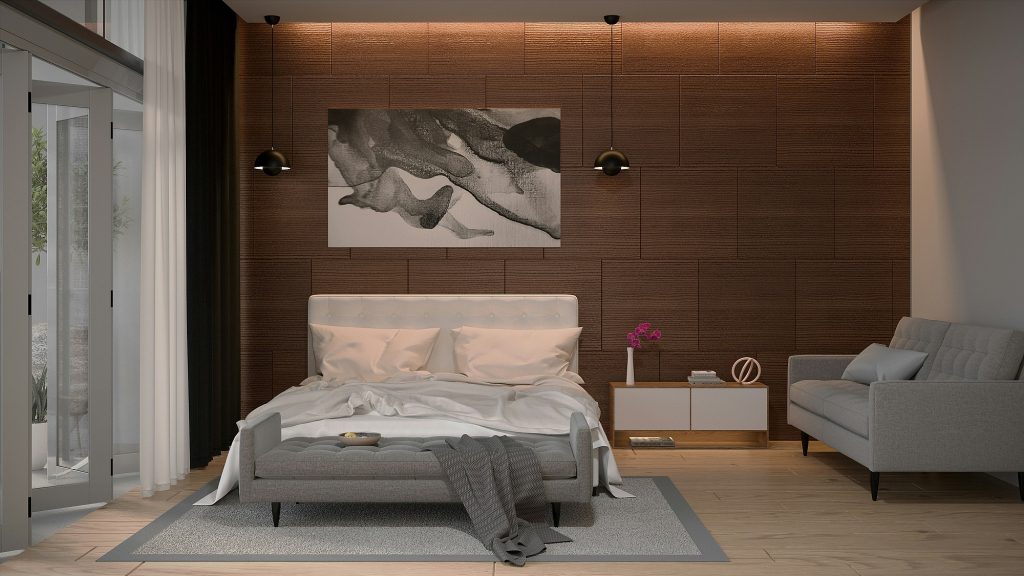
Moreover, the rise of digital technology has played a crucial role in the adoption of minimalism. With the ability to access information, entertainment, and communication through compact devices, the need for physical media and extensive collections has diminished. This digital revolution allows you to streamline your possessions and focus on what truly enriches your life, without the burden of physical clutter.
Another driving force behind the rise of minimalism in urban environments is the growing desire for a healthier, more balanced lifestyle. The fast-paced nature of city life can be overwhelming, leading to stress and exhaustion. By embracing minimalism, you can create a peaceful sanctuary in your home, free from unnecessary distractions. This approach encourages mindfulness, allowing you to prioritize self-care and enhance your overall well-being.
Benefits of Smaller Living Spaces
Smaller living spaces offer numerous advantages, both practical and psychological. One of the most significant benefits is cost savings. With a reduced need for heating, cooling, and maintenance, smaller spaces are more economical to manage. Additionally, downsizing often results in lower rent or mortgage payments, freeing up financial resources for other pursuits such as travel, education, or leisure activities. For many people, this strategy can also represent one of the best real estate investment decisions by reducing expenses while preserving long-term property value.
Living in a smaller space also promotes a more sustainable lifestyle. By consuming less space and fewer resources, you lessen your environmental impact. This reduction in consumption is beneficial for the planet and aligns with the growing trend towards eco-conscious living. Moreover, smaller homes typically require less energy to maintain, further reducing your carbon footprint.
On a personal level, smaller living spaces encourage organization and creativity. With limited space, you are compelled to think critically about how to arrange your belongings and make the most of your environment. This challenge often leads to innovative solutions and a sense of accomplishment. Furthermore, a well-organized, clutter-free home can significantly reduce stress, improve focus, and create a more harmonious living experience.
Designing for Functionality: Tips for Small Spaces
Designing a functional small space requires careful planning and creativity. The key is to maximize every square inch while maintaining an aesthetically pleasing and comfortable environment. Here are some tips to help you achieve a well-designed small living space:
- Multi-Functional Furniture: Invest in furniture pieces that serve multiple purposes. For example, a sofa bed can provide seating during the day and transform into a bed at night. A foldable dining table can be expanded when needed and tucked away when not in use. These versatile pieces help conserve space without sacrificing functionality.
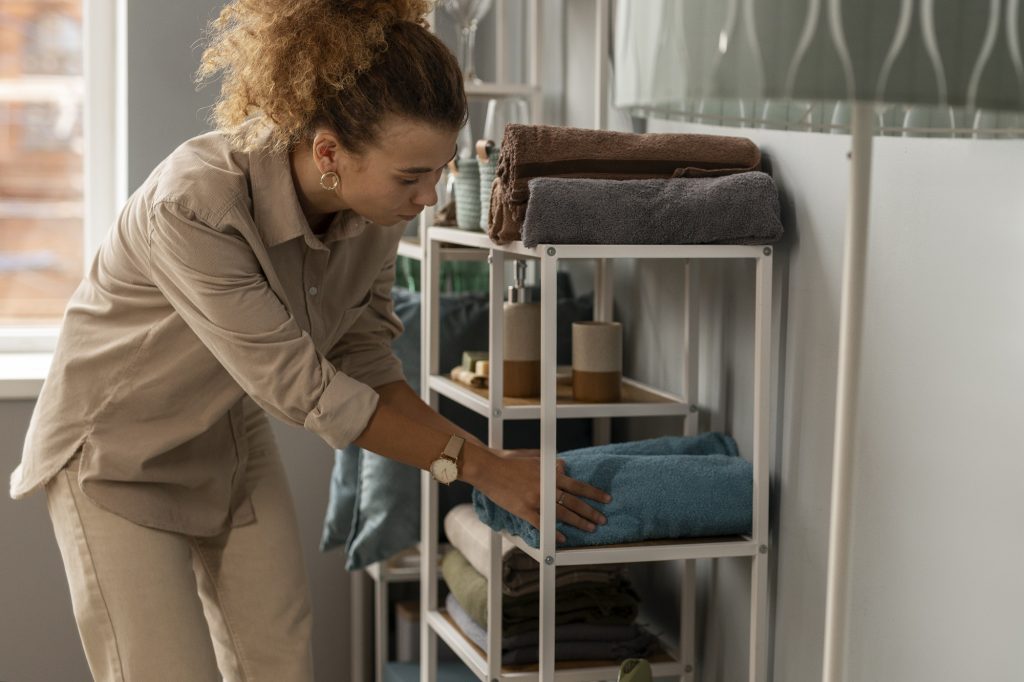
- Vertical Storage: Utilize vertical space by incorporating shelves, wall-mounted cabinets, and hanging organizers. This approach frees up floor space and keeps your belongings accessible and organized. Use hooks and racks to store items like bicycles or kitchen utensils, ensuring that every item has a designated spot.
- Light and Color: Opt for light colors and ample natural light to create an open, airy feel. Mirrors can also be strategically placed to reflect light and give the illusion of a larger space. Additionally, consider using sheer curtains or blinds that allow sunlight to filter through while maintaining privacy.
By implementing these design strategies, you can create a functional and inviting small space that meets your needs and enhances your everyday life.
Essential Features of Urban Minimalism
Urban minimalism is characterized by a focus on simplicity, functionality, and intentional living. To successfully embrace this lifestyle, consider incorporating the following essential features into your home:
- Minimalistic Aesthetic: Choose a clean and uncluttered design with a neutral color palette. Select furniture and decor that are simple, yet stylish, avoiding excessive ornamentation. This aesthetic promotes tranquility and allows your space to feel more open and inviting.
- Quality Over Quantity: Prioritize quality over quantity when selecting items for your home. Invest in durable, high-quality pieces that will stand the test of time. This approach not only enhances the longevity of your possessions but also reduces the need for frequent replacements, aligning with sustainable living principles.
- Mindful Consumption: Adopt a mindful approach to consumption by carefully considering each purchase. Ask yourself whether an item is truly necessary and if it brings value to your life. This practice helps prevent clutter and fosters a sense of contentment with what you already have.
By incorporating these features, you can create a harmonious and efficient living environment that embodies the principles of urban minimalism.
The Role of Sustainability in Smaller Living
Sustainability plays a crucial role in the movement towards smaller living spaces. As environmental concerns continue to rise, many individuals are seeking ways to reduce their ecological footprint. Smaller living spaces inherently consume fewer resources, making them a more sustainable option. By choosing to downsize, you contribute to the conservation of energy, water, and materials.
Moreover, sustainable practices can be integrated into various aspects of small space living. For instance, you can invest in energy-efficient appliances, utilize renewable energy sources such as solar panels, and implement water-saving fixtures. These measures not only reduce your environmental impact but also result in cost savings over time.
Additionally, sustainability in smaller living involves making conscious choices about the materials and products you use in your home. Opt for eco-friendly building materials, furniture made from recycled or reclaimed materials, and non-toxic cleaning products. By prioritizing sustainability, you create a healthier living environment for yourself and contribute positively to the planet.
How to Embrace Minimalism in Your Life
Embracing minimalism involves more than just decluttering your physical space; it requires a shift in mindset and lifestyle. Here are some steps to help you incorporate minimalism into your life:
- Declutter Mindfully: Begin by assessing your belongings and identifying items that no longer serve a purpose or bring joy. Donate, recycle, or sell these items to reduce clutter. This process encourages mindfulness and helps you appreciate the value of what you choose to keep.
- Set Intentional Goals: Define your priorities and set intentional goals that align with your minimalist values. Consider areas of your life where you can simplify, such as your schedule, digital presence, or social commitments. By streamlining these aspects, you create more time and energy for what truly matters.
- Practice Gratitude: Cultivate a sense of gratitude for the things you have and the experiences you enjoy. This practice helps shift your focus from acquiring more to appreciating the present moment. By fostering gratitude, you can find contentment and fulfillment in a minimalist lifestyle.
By following these steps, you can successfully integrate minimalism into your daily life and experience the benefits of a simpler, more intentional existence.
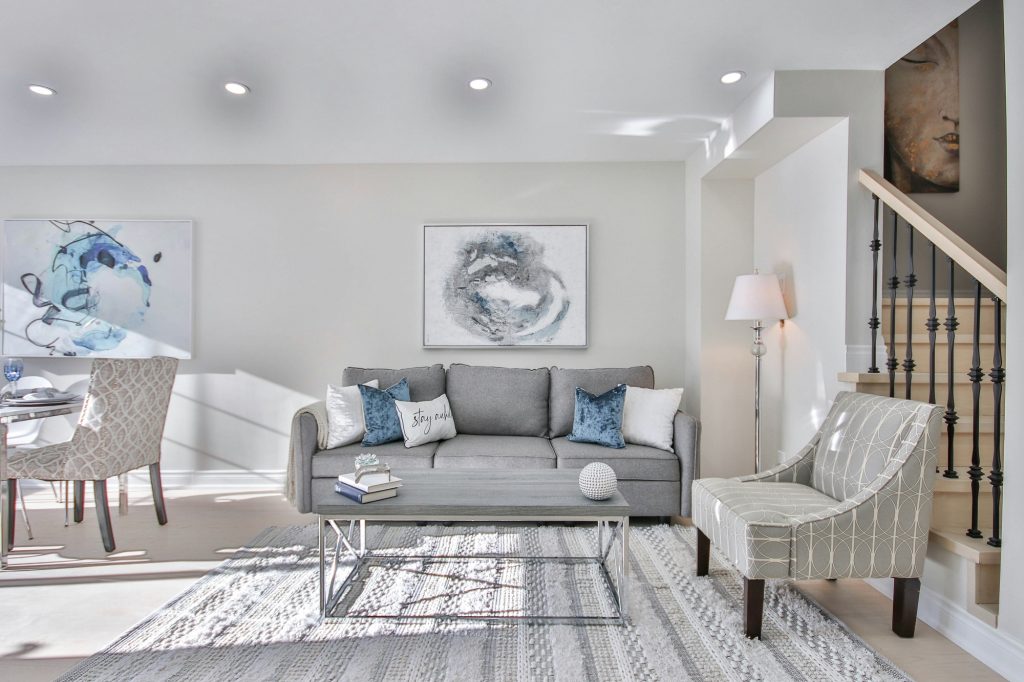
Innovations in Small Space Living: Furniture and Design
The demand for smaller living spaces has spurred innovation in furniture design and interior solutions. Designers and manufacturers are continually developing creative products that maximize functionality within limited spaces. Here are some innovative trends in small space living:
- Modular Furniture: Modular furniture systems offer versatility and adaptability, allowing you to customize your space according to your needs. These pieces can be easily reconfigured, expanded, or reduced, making them ideal for small living areas where flexibility is key.
- Smart Home Technology: Integrating smart technology into your home can enhance efficiency and convenience. From automated lighting and climate control to voice-activated assistants, smart home devices optimize the management of your space, making it more user-friendly and energy-efficient.
- Space-Saving Solutions: Innovative space-saving solutions, such as Murphy beds, foldable desks, and retractable storage units, are designed to make the most of every inch of your home. These products provide practicality without compromising on style, enabling you to create a functional and aesthetically pleasing environment.
By incorporating these innovations, you can create a modern and efficient living space that meets the demands of urban minimalism.
Conclusion: The Future of Living Well in Less Space
The future of living well in smaller spaces is bright and full of possibilities. As urban minimalism continues to gain momentum, more individuals are recognizing the benefits of downsizing and simplifying their lives. This lifestyle choice offers a path to greater financial freedom, environmental responsibility, and personal fulfillment.
By embracing urban minimalism, you can create a home that is not only functional but also reflects your values and aspirations. Whether you are considering a move to a smaller space or looking to optimize your current living arrangement, there are countless resources and innovations available to support your journey.
As you embark on your minimalist journey, remember the importance of intentionality and mindfulness. By focusing on what truly matters, you can cultivate a life that is rich in experiences and connections, while minimizing unnecessary burdens. Embrace the opportunity to live well in less space and discover the profound impact it can have on your well-being and the world around you.