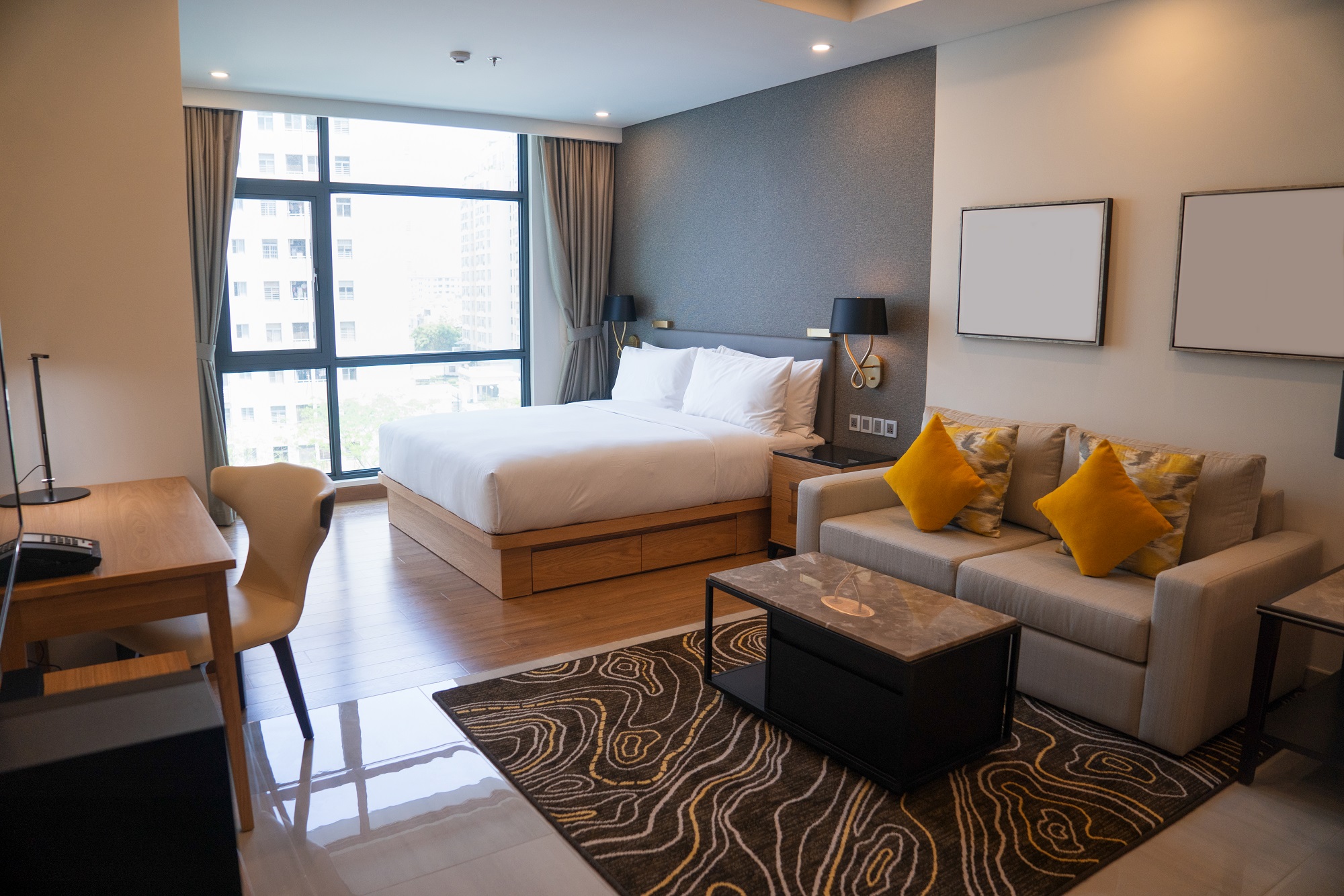
Why Layout Efficiency Can Matter More Than Square Footage
In the intricate world of real estate, decisions often pivot around square footage, a traditional metric that many believe directly correlates with property value. However, an emerging trend emphasizes layout efficiency, which can dramatically redefine how space is perceived and utilized. As a savvy investor or homeowner, understanding the nuances of layout efficiency can be your key to unlocking unparalleled value in properties.
Layout efficiency is about optimizing the use of space, ensuring every square foot serves a purpose. This approach can transform even a modest-sized property into a highly functional and desirable living or working environment. By prioritizing layout efficiency, you not only enhance the livability of a space but also potentially increase its market value. With the guidance of experienced real estate agents, buyers and investors can also better understand how an efficient layout may influence a property’s appeal in today’s competitive real estate market.
Understanding Square Footage: More Than Just Numbers
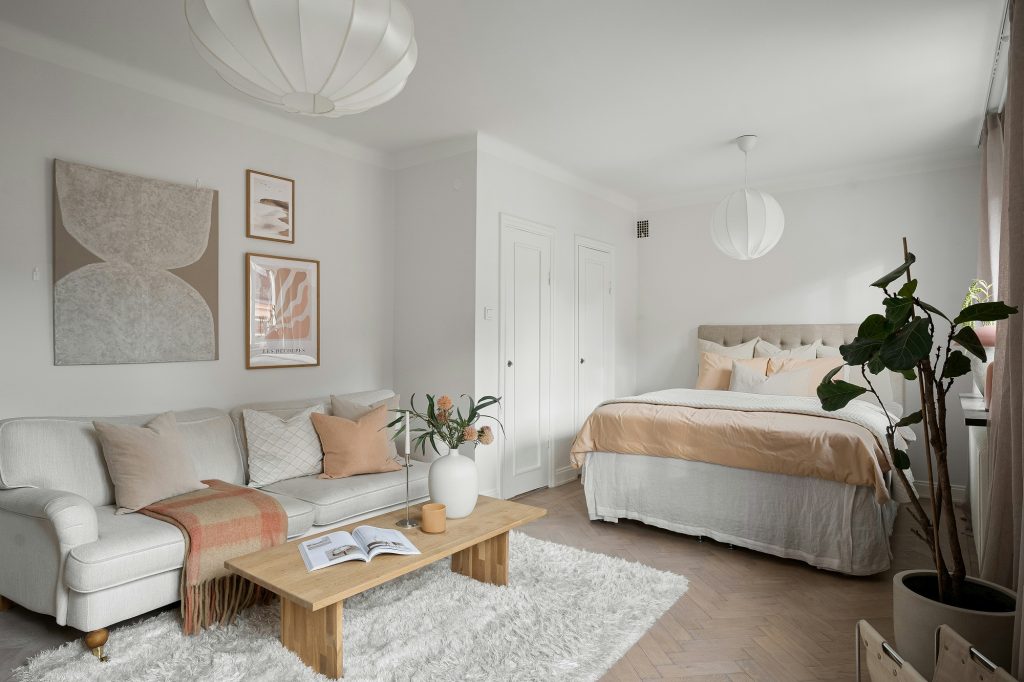
Square footage has long been the cornerstone of real estate valuation. It provides a straightforward measure of a property’s size, serving as a baseline for comparing homes or commercial spaces. However, square footage alone doesn’t paint the whole picture of a property’s utility or potential. Understanding this limitation is essential for making informed real estate decisions.
The traditional emphasis on square footage often overlooks how effectively a space can be utilized. For example, a larger property with poor layout design might feel cramped or inefficient, while a smaller space with a smart layout can appear spacious and functional. This discrepancy highlights the need to consider more than just numbers when evaluating a property’s true value. When planning or refining a property’s layout, working with the Best construction company in Islamabad can also help ensure that space is used efficiently and thoughtfully.
Moreover, focusing solely on square footage can lead you to overlook properties that might offer better living experiences or investment returns. By broadening your perspective to include layout efficiency, you can identify properties that maximize space utilization and offer superior functionality. This holistic approach ensures you’re investing in properties that truly meet your needs and expectations.
The Importance of Layout Efficiency
Layout efficiency is a critical factor that significantly influences the usability and value of a property. Unlike square footage, which only measures the total space, layout efficiency assesses how well that space is organized and utilized. This concept is crucial in both residential and commercial real estate, where functionality can greatly impact daily life and business operations. For example, when evaluating a house for rent, an efficient layout can make the available space feel more comfortable, practical, and appealing to prospective tenants.
In residential properties, an efficient layout can transform a compact home into a comfortable and inviting space. It ensures that every room serves a purpose and that space is not wasted on unnecessary hallways or awkward corners. This optimization can enhance the quality of life for occupants, making homes feel more spacious and livable, regardless of their size.
In commercial real estate, layout efficiency can directly affect productivity and profitability. An intelligently designed office or retail space can facilitate better workflow, improve customer experience, and ultimately lead to higher revenues. By prioritizing efficient layouts, businesses can maximize their operations without the need for additional square footage, leading to cost savings and increased satisfaction among employees and customers.
Key Factors Contributing to Layout Efficiency
Several factors contribute to layout efficiency, each playing a crucial role in ensuring that a space is both functional and aesthetically pleasing. Understanding these factors can help you evaluate properties more accurately and make better real estate decisions.

- Space Planning: Effective space planning involves organizing furniture and fixtures to maximize usability and flow. It ensures that every area serves a purpose and that movement between spaces is seamless. This planning is essential for creating environments that feel open and inviting.
- Natural Light and Ventilation: Incorporating natural light and ventilation into a property’s design can significantly enhance its layout efficiency. Well-lit and ventilated spaces feel larger and more comfortable, reducing the need for artificial lighting and climate control.
- Storage Solutions: Clever storage solutions can dramatically improve the functionality of a space. Built-in cabinets, multi-purpose furniture, and well-placed closets can help keep areas clutter-free, making them feel more spacious and organized.
By focusing on these key factors, you can identify properties with high layout efficiency, leading to better living environments and more appealing investments.
Layout Efficiency vs. Square Footage: A Comparative Analysis
When comparing layout efficiency and square footage, it’s essential to recognize that while both metrics are important, they serve different purposes in evaluating real estate. Square footage provides a basic understanding of a property’s size, but layout efficiency offers deeper insights into its functionality and livability.
Table: Layout Efficiency vs. Square Footage
| Aspect | Layout Efficiency | Square Footage |
| Definition | Measures space usability and design | Measures total space |
| Focus | Functionality and flow | Size and dimensions |
| Impact on Value | Enhances livability and desirability | Basic valuation metric |
| Consideration | Important for functionality | Important for comparison |
Layout efficiency often trumps square footage when it comes to real estate value. A well-designed space can offer more functionality and appeal than a larger, poorly organized one. This fact is especially crucial in urban areas where space is at a premium, and maximizing every square foot is necessary.
By understanding the differences between these two metrics, you can better assess properties and make decisions that align with your goals. Whether you’re looking for a comfortable home or a profitable investment, layout efficiency should be a key consideration.
How Layout Efficiency Affects Property Value
Layout efficiency can significantly influence a property’s market value, often more so than its sheer size. A well-designed layout enhances a property’s appeal, making it more attractive to potential buyers or renters. This increased demand can drive up the property’s market price, providing you with a better return on investment.
An efficient layout also contributes to lower maintenance and operating costs. By optimizing space, properties become easier to clean, maintain, and heat or cool. These savings can be substantial over time, further enhancing the property’s value and appeal to cost-conscious buyers.
Furthermore, properties with high layout efficiency often attract a broader range of potential buyers. Families, professionals, and businesses alike appreciate spaces that offer functionality and comfort, making such properties more competitive in the market. By focusing on layout efficiency, you can ensure your real estate investments remain desirable and valuable over time.
Tips for Evaluating Layout Efficiency in Properties
Evaluating layout efficiency requires a keen eye and a thorough understanding of what makes a space functional and appealing. Here are some tips to help you assess properties effectively:
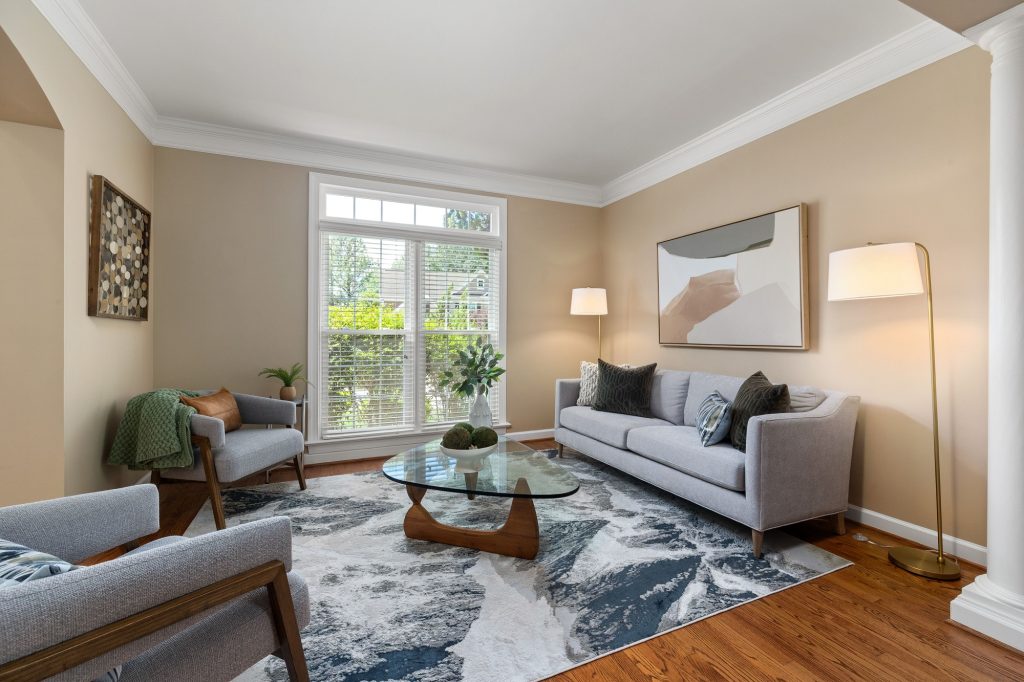
- Walk through with a purpose: As you tour a property, pay attention to how the space flows. Consider whether the layout supports your lifestyle or business needs. Look for awkward transitions or wasted spaces that could detract from the property’s usability.
- Assess natural light: Evaluate how natural light enters the space. Bright, naturally lit rooms feel more inviting and spacious. Check window placements and the potential for light blockage by neighboring structures.
- Consider future modifications: Think about how easily the layout can be adapted for future changes. Properties that allow for easy modifications or expansions can be more valuable, offering flexibility as your needs evolve.
By focusing on these aspects, you can identify properties with high layout efficiency, ensuring your investments are both functional and future-proof.
The Future of Real Estate: Trends in Layout Efficiency
As the real estate industry evolves, trends in layout efficiency are shaping the future landscape of property design. These trends reflect changing preferences and technological advancements, offering new opportunities for homeowners and investors alike.
One significant trend is the rise of open floor plans, which promote flexibility and communication within spaces. These designs eliminate unnecessary walls, creating multifunctional areas that adapt to various needs. Open layouts are particularly popular in residential properties, where they enhance social interaction and connectivity.
Another trend is the integration of smart home technology, which optimizes space usage and energy efficiency. Smart systems can automate lighting, heating, and security, making even smaller properties more functional and convenient. As technology advances, these features will become increasingly common and desirable.
Lastly, there’s a growing emphasis on sustainable design, which prioritizes eco-friendly materials and energy-efficient layouts. Sustainable properties not only reduce environmental impact but also appeal to eco-conscious buyers, enhancing their marketability and value.
Conclusion: Prioritizing Layout Efficiency in Real Estate Decisions
In the world of real estate, layout efficiency is emerging as a critical consideration that often outweighs traditional square footage metrics. By prioritizing efficient layouts, you can ensure that properties are both functional and valuable, offering better living or working environments and higher returns on investment.
As you navigate the real estate market, focus on properties that maximize space utilization and offer flexibility for future changes. By doing so, you’ll make informed decisions that align with your goals, whether you’re purchasing a home, investing in commercial space, or developing properties.
By embracing the principles of layout efficiency, you can unlock the full potential of real estate, transforming spaces into thriving environments that meet the needs of today’s dynamic world.